
Specialized intrinsically safe pressure gauges designed for hazardous environments. Certified to ATEX and IECEx standards for safe operation in volatile gas and vapor atmospheres.
This category features intrinsically safe pressure gauges, specifically engineered for operation in hazardous environments where flammable gases or vapors are present. These gauges are meticulously designed to limit electrical and thermal energy, preventing ignition and ensuring compliance with stringent international safety standards such as ATEX and IECEx. Ideal for applications ranging from oil refineries and gas pipelines to pharmaceutical plants and chemical processing facilities, these gauges offer reliable pressure monitoring without compromising safety in potentially explosive atmospheres.
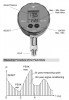 Glycol/Water mixture peak pressure gauge to measure up to 15 bar - The LEO1 pressure gauge has a peak hold function and two modes of operation which captures twice a second or 5,000 times per second.
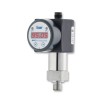 Low pressure methane gas transmitter with display and switch - I am looking for a 4-20mA pressure transmitter device for measuring the pressure of methane (CH4) gas up to 160 mbar gauge.
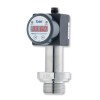 DS200P Sanitary Low Range Pressure Gauge, Switch and Sensor
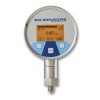 DM01 Multi-Range High Accuracy Pressure Gauge
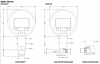 DM01-500-HD High Range Digital Pressure Gauge
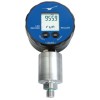 LEO Record (Ei) Capo Low Pressure Logger
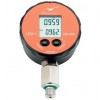 LEO1 (Ei) Digital Pressure Gauge
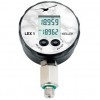 LEX1 (Ei) High Accuracy Digital Pressure Gauge
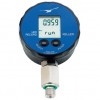 LEO Record (Ei) Pressure Data Logger
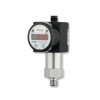 DS210 Combined Low Pressure Switch, Indicator and Sensor
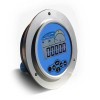 ADT681 Digital Pressure Gauge
- DS200 Combined Pressure Switch, Gauge and Sensor
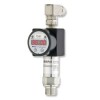 DS201P High Range Flush Pressure Gauge, Switch and Sensor
Find out more about Intrinsically Safe Pressure Gauges to determine which product options and capabilities will best meet your application requirements.
Intrinsically safe pressure gauges represent a specialized category of pressure measurement instrumentation designed explicitly for deployment in hazardous locations. These locations are characterized by the presence, or potential presence, of flammable gases or vapors, demanding stringent safety protocols. The core distinction of these gauges lies in their meticulously engineered design, which rigorously limits both electrical energy and surface temperature, mitigating the risk of ignition of the surrounding volatile atmosphere.
The intrinsic safety protection method is achieved through careful component selection and circuit design, ensuring that under both normal operation and fault conditions, the available electrical and thermal energy remains below the minimum ignition energy (MIE) of the specified hazardous substance. This often involves the use of Zener diodes, resistors, and other current-limiting devices to prevent sparks or excessive heat generation.
Unlike standard pressure gauges, intrinsically safe digital pressure gauges incorporate specialized power management circuitry. These circuits are designed to operate at extremely low power levels, minimizing the potential for energy storage that could lead to an accidental discharge. Battery selection and power regulation are critical aspects of their design.
The certification process for intrinsically safe pressure gauges is particularly rigorous. They must adhere to internationally recognized standards, such as ATEX or IECEx, depending on the region of use. These certifications involve extensive testing to verify the gauge’s performance under a variety of operational and environmental conditions, including simulated fault scenarios. The certification marking on the gauge indicates the specific hazardous environment classifications for which it is approved.
Consider specific installations such as within the control panels of a natural gas processing plant, where the presence of highly flammable hydrocarbons necessitates extremely cautious instrumentation. Or, visualize a petrochemical refinery’s reactor vessel, where precise pressure control is critical, and any electrical spark could trigger a catastrophic event. Another example might be within the pressurized piping systems of a hydrogen production facility, where even minute leaks of this highly volatile gas can create a significant hazard. In these and similar demanding settings, process pressure monitoring is an operational imperative, yet standard instrumentation would introduce an unacceptable level of risk. Intrinsically safe pressure gauges provide a critical pressure measurement capability without compromising the stringent safety requirements.
Another specialized design constraint stems from the material selection of exposed components. Certain materials can generate sparks through impact or friction (triboelectric effect), making their selection crucial. Careful consideration is given to factors such as housing material and the properties of any exposed sensing elements.
The use of intrinsically safe pressure gauges extends beyond just oil, gas, and pharmaceuticals. They are also critical components in chemical processing plants, paint and solvent manufacturing facilities, and even some mining operations where methane gas is present. The exact pressure range, accuracy, and display features will be dictated by the specific application, but the underlying intrinsic safety design remains paramount. The operational limitations imposed by intrinsic safety are vital and clearly specified in the accompanying product documentation and approval certificates.